
Brass Ceiling Lights
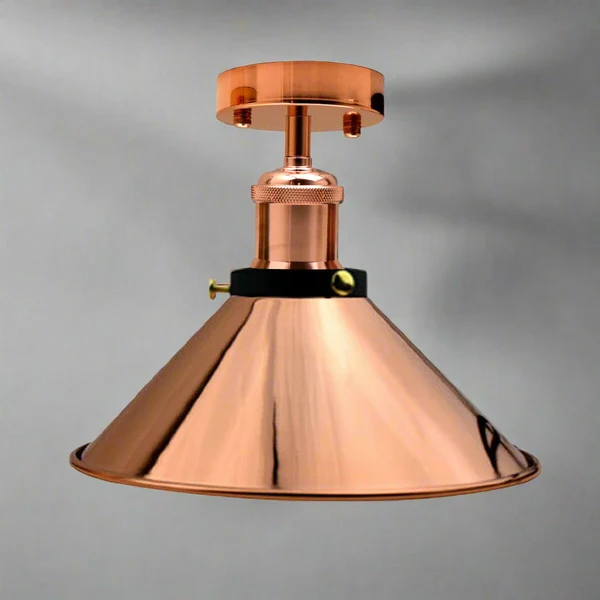
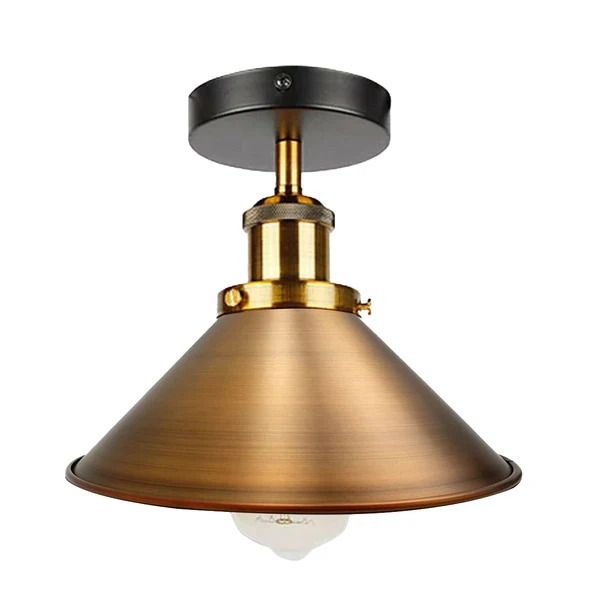
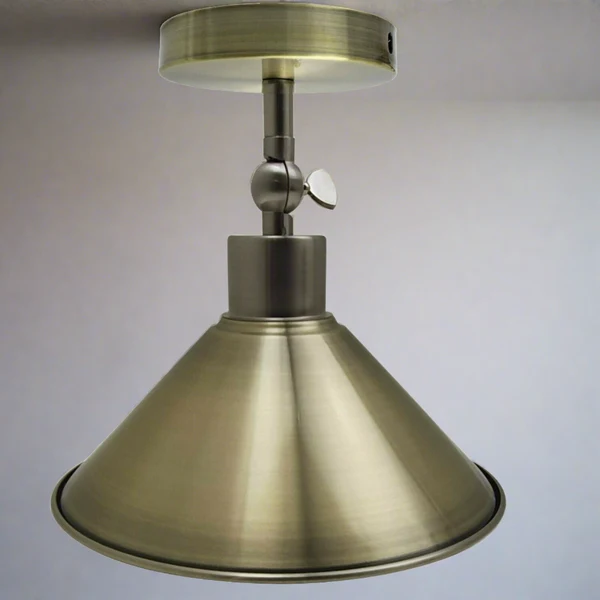
Every material brings strengths and trade-offs, and that shapes how brass ceiling lights can look, feel and age. Material affects weight, so compare how heavy each option feels in use. Colour often depends on the material, so the shade options may follow from that first choice.
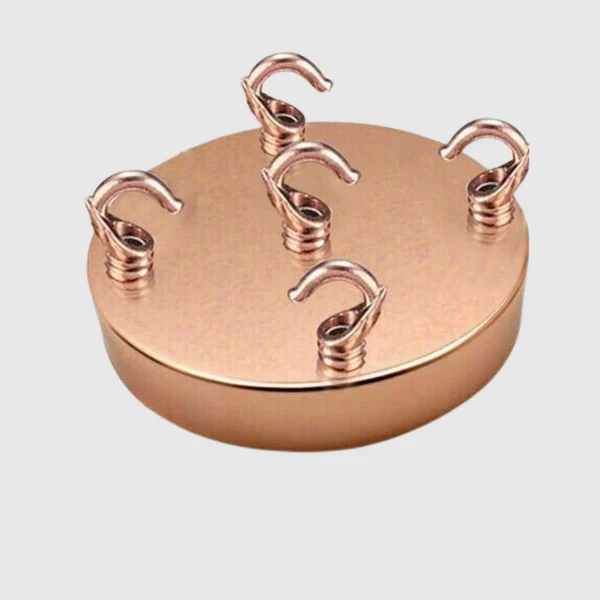
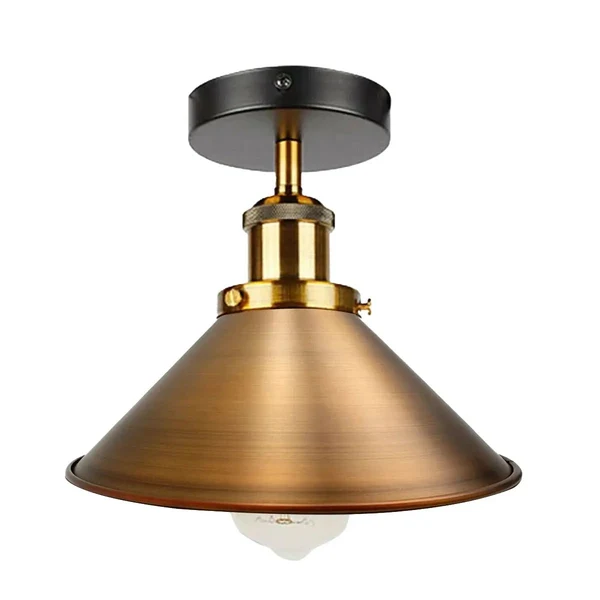
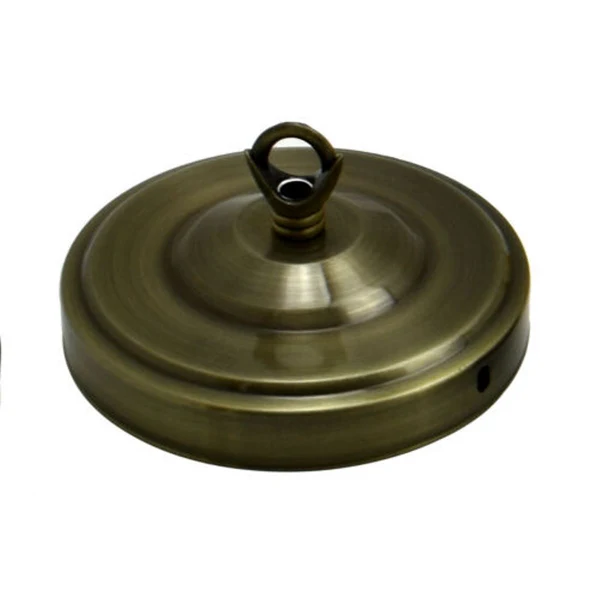
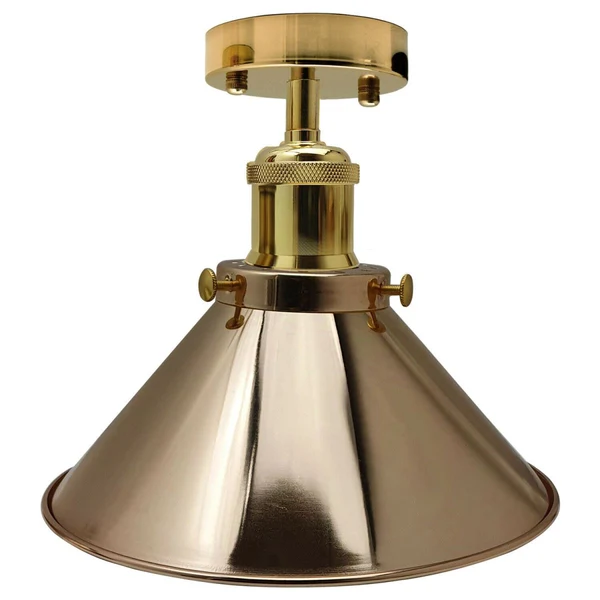
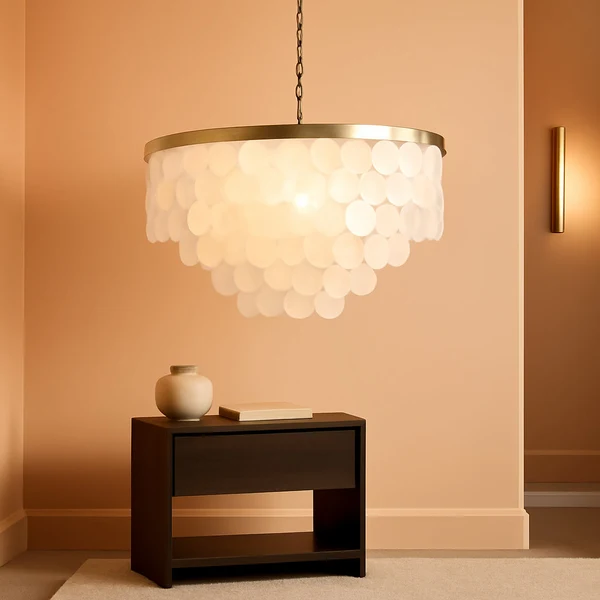
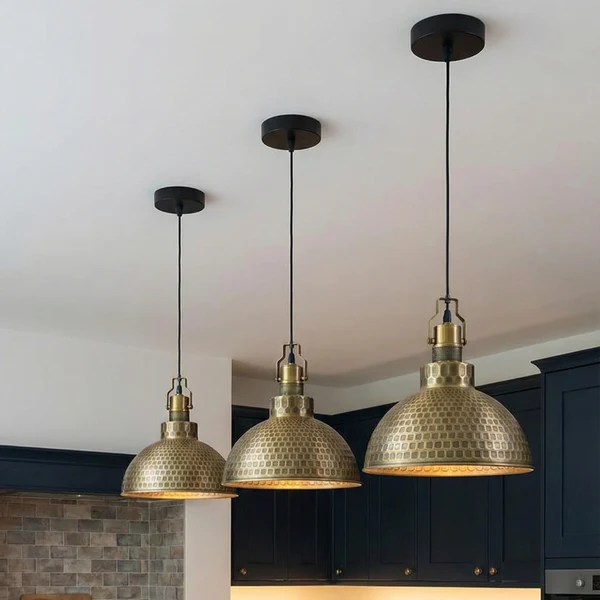
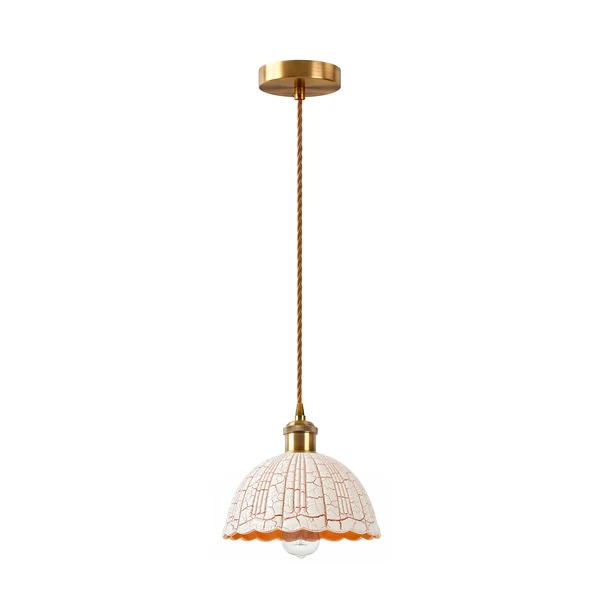
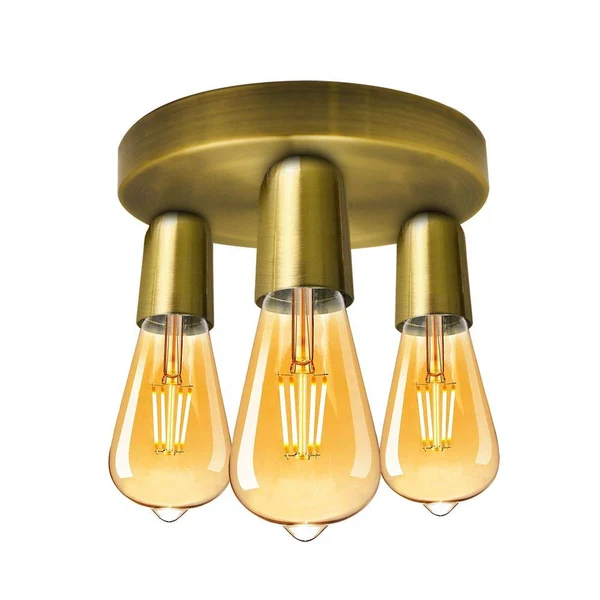
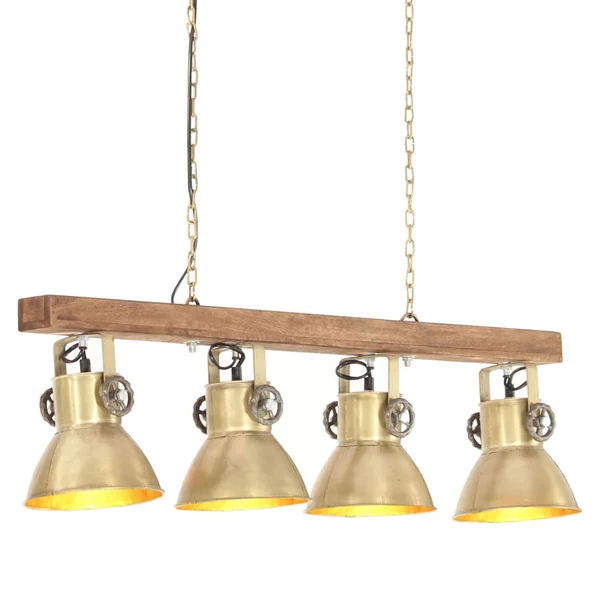
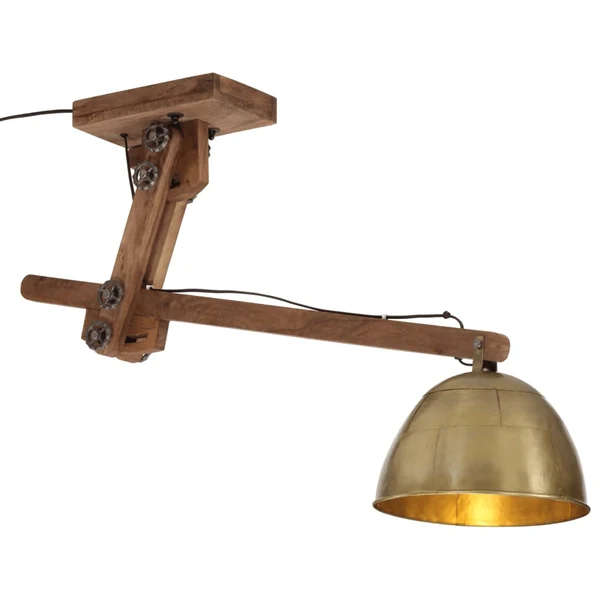
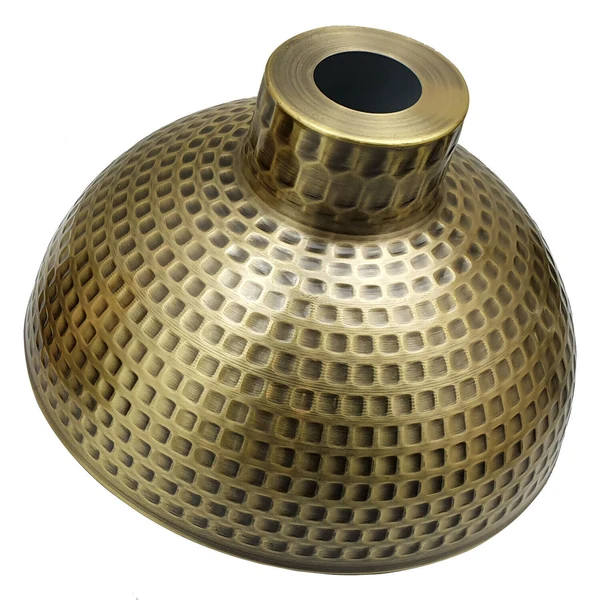
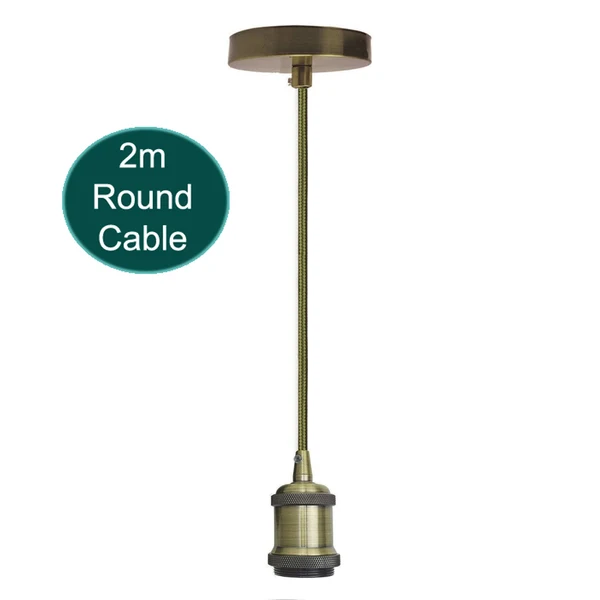
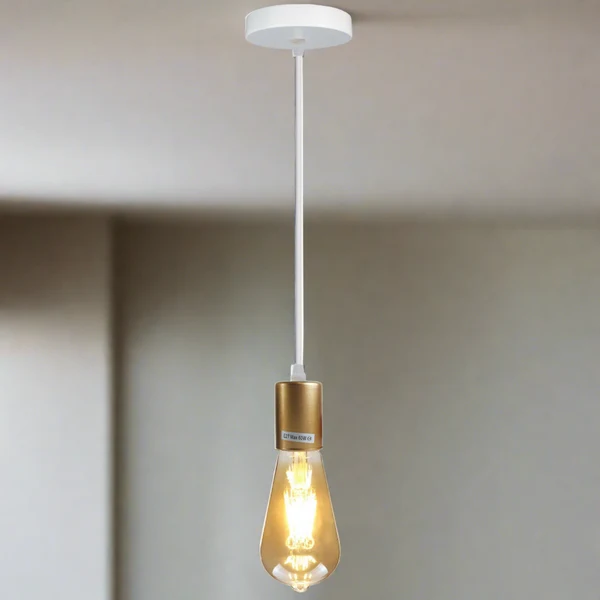

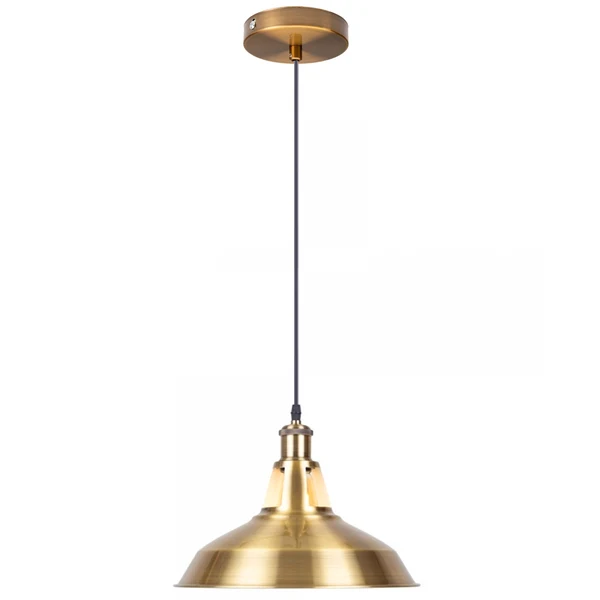
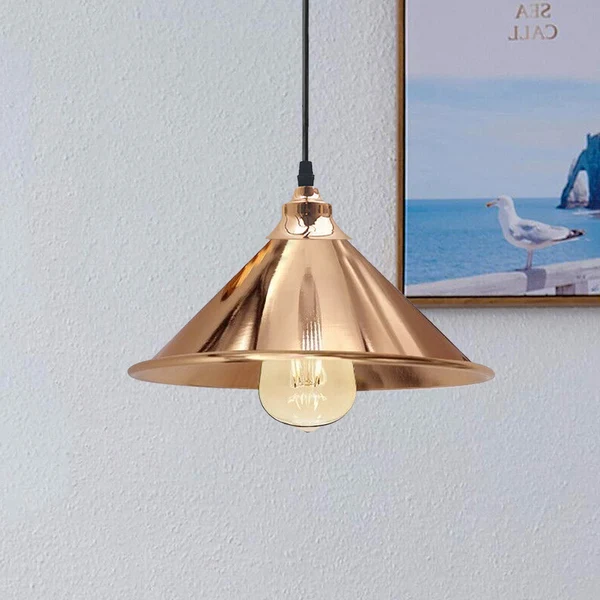
Points worth comparing
The shared trait narrows the field; the details still decide. Here is what to compare once you know the type you need.
Pick the type first
A collection mixes types; choose the one you need, then compare within it.
Try a related collection
Close but not right? Another collection may fit what you need better.
Related Policies
How to choose
- Check thickness or density, as both affect how the material holds its shape.
- Compare the same kind in other materials: Crystal Ceiling Lights and Metal Ceiling Lights.
- Decide whether a mixed-material design suits you better than a single material.
- Check exactly what the material is, including any blend, coating or finish.
Frequently asked questions
Does the finish matter for brass ceiling lights?
Yes: in brass ceiling lights, a sealed, coated or polished finish changes how the material looks, feels and copes with everyday use.
How do I keep brass ceiling lights looking good?
To keep brass ceiling lights looking good, follow the care notes for the material, avoid long exposure to heat or damp unless it is made for that, and store everything dry.
Will brass ceiling lights change over time?
Many materials change with use, so brass ceiling lights may soften, mellow or develop a patina; check the description to know what to expect.
How does the material affect brass ceiling lights?
In brass ceiling lights, the material sets weight, feel, appearance and upkeep, and it shapes how each piece ages with regular use.
Why choose brass ceiling lights?
People choose brass ceiling lights for the look, feel and care routine the material brings; compare those points with other materials to see whether it suits you.