
Start with the type that fits
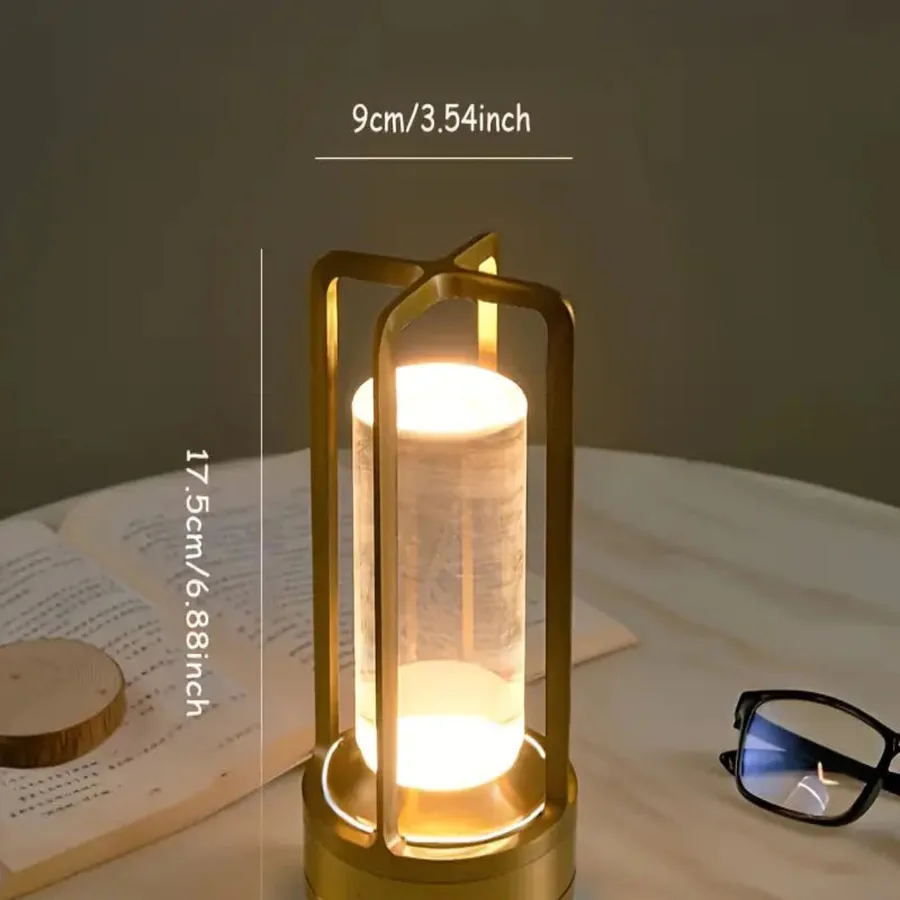
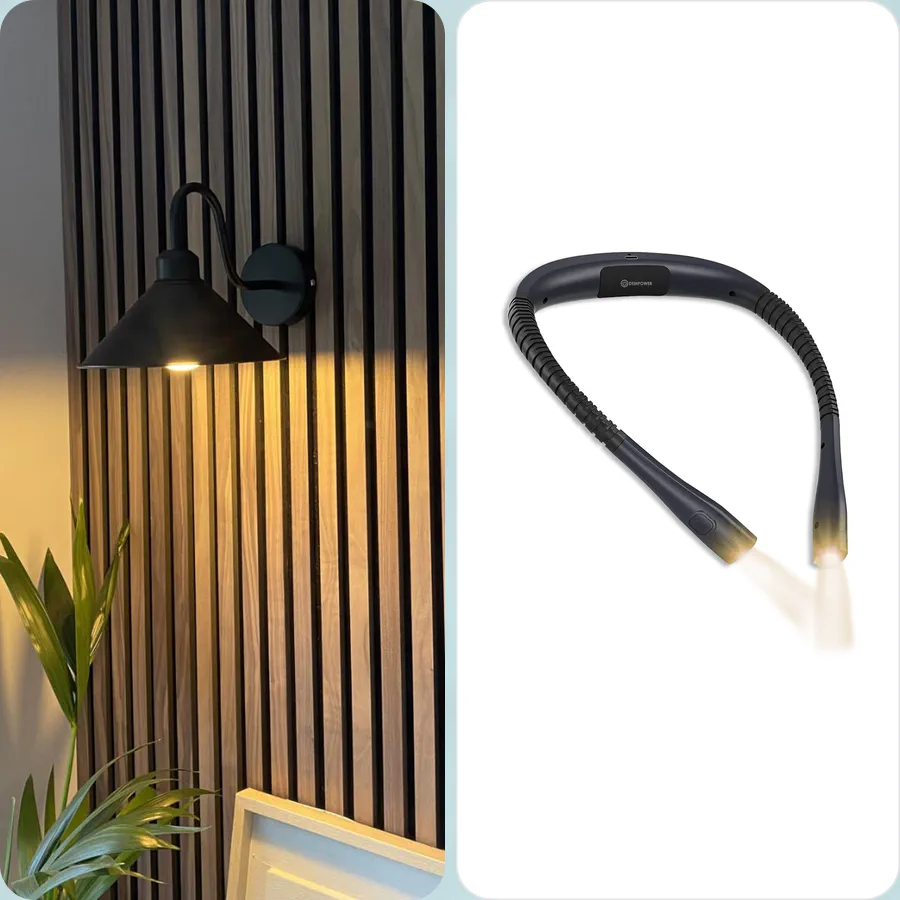
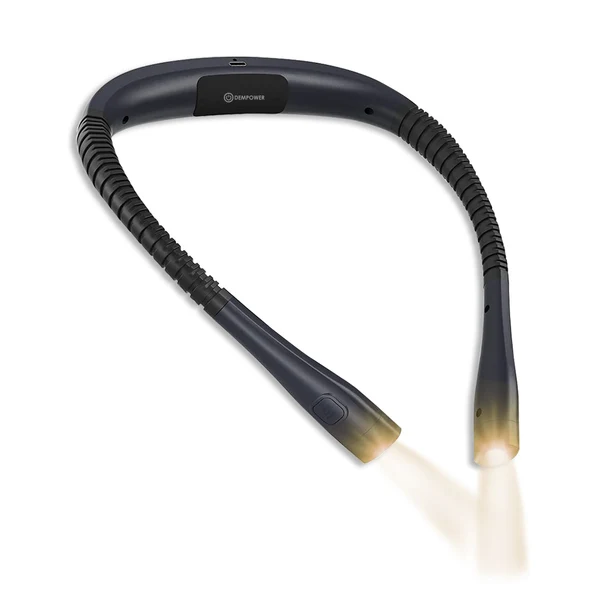
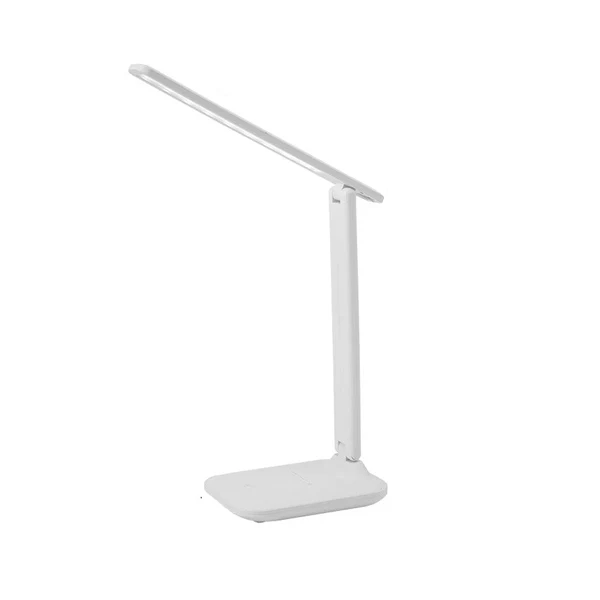
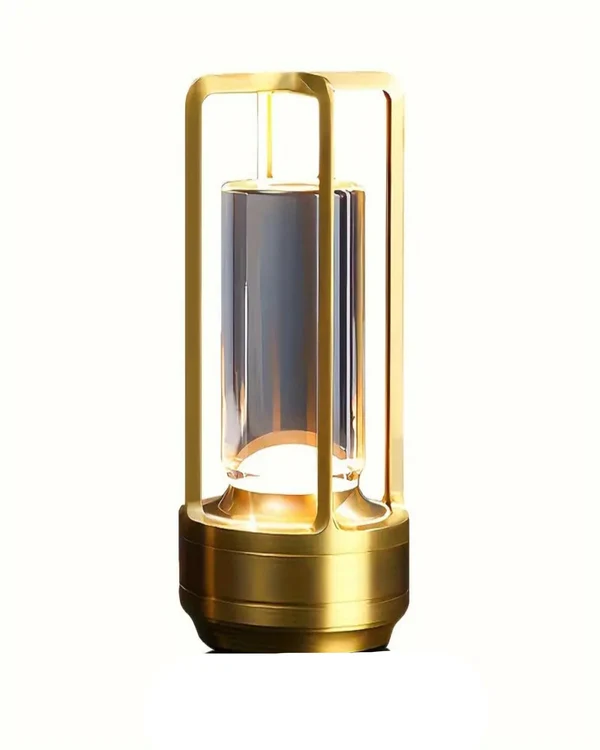
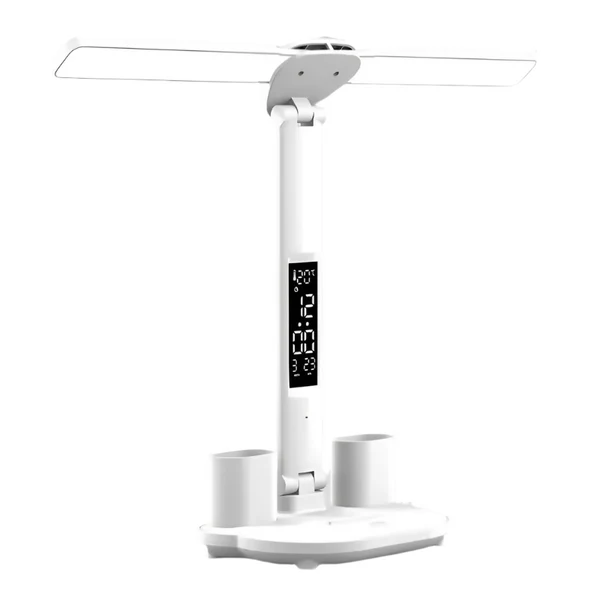
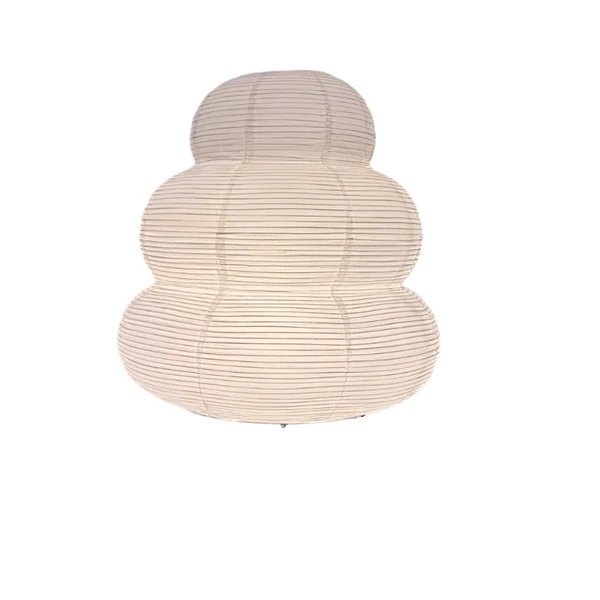
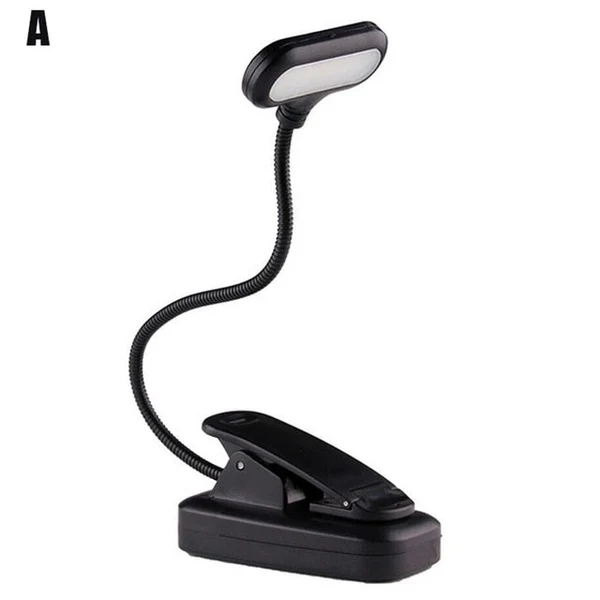
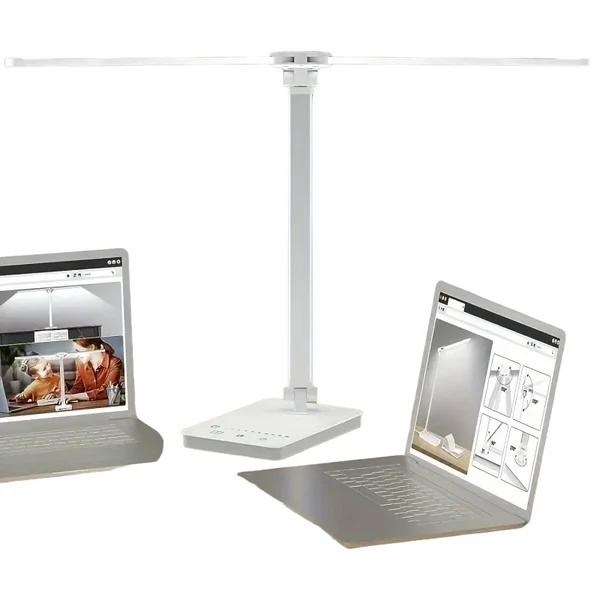
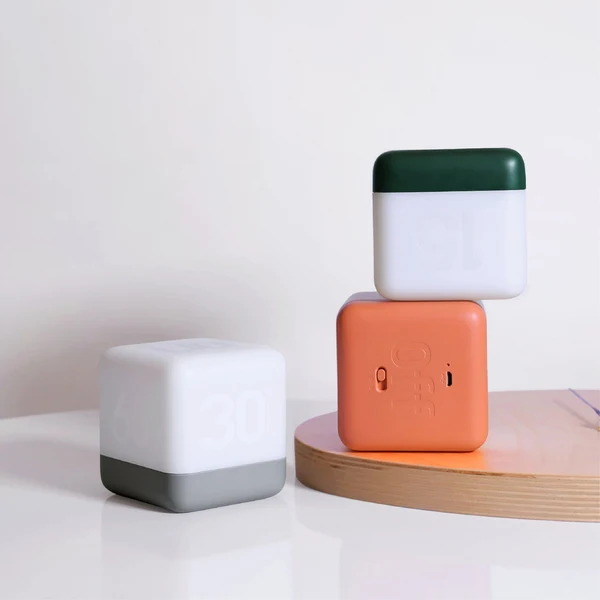
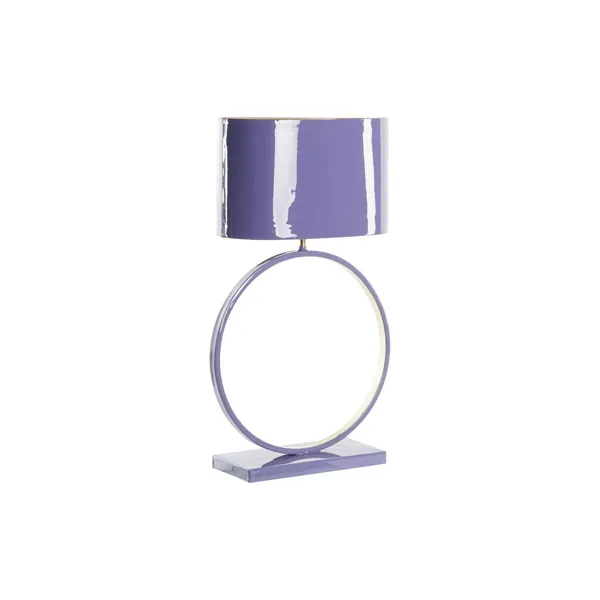
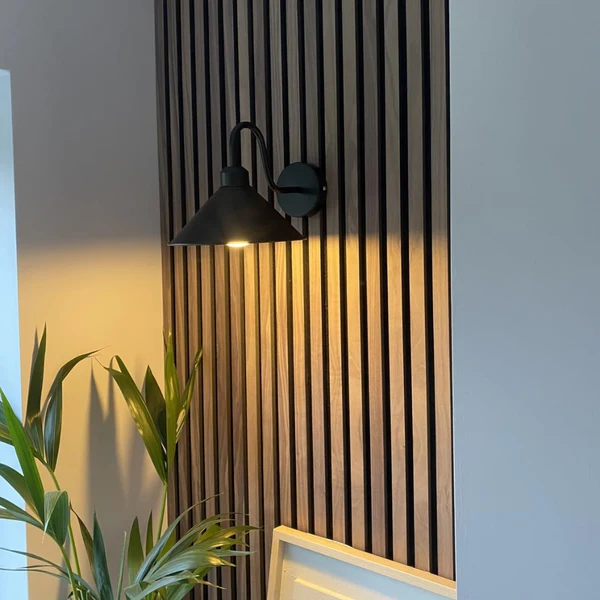
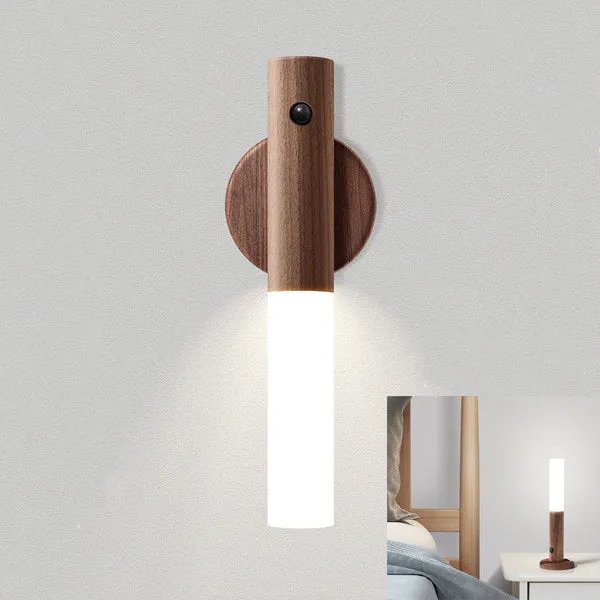
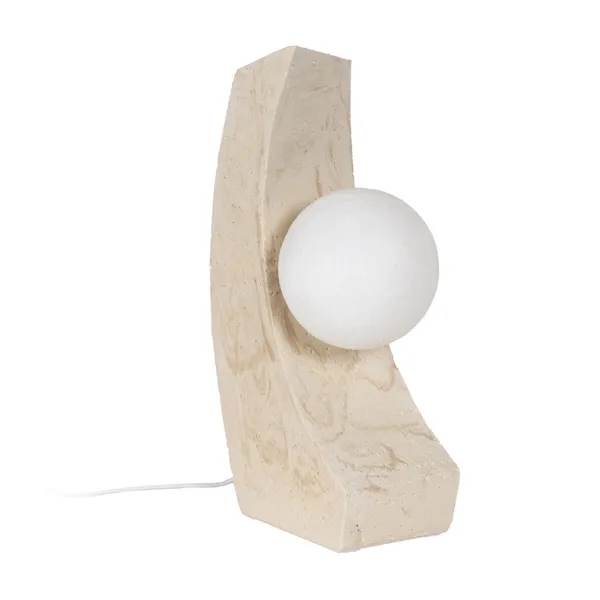
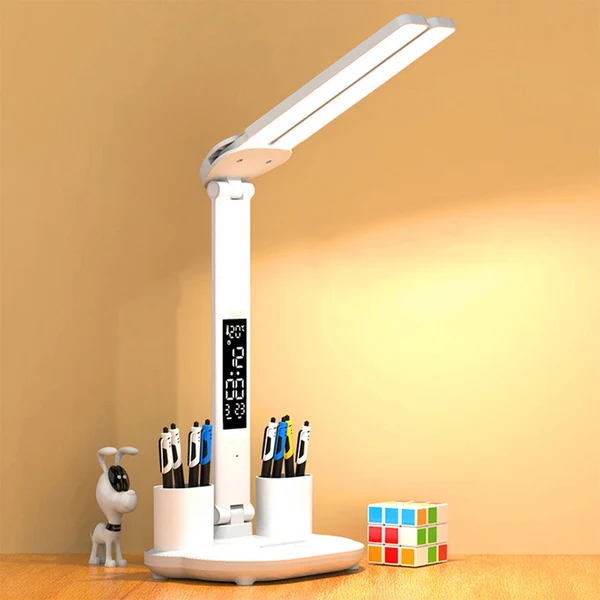
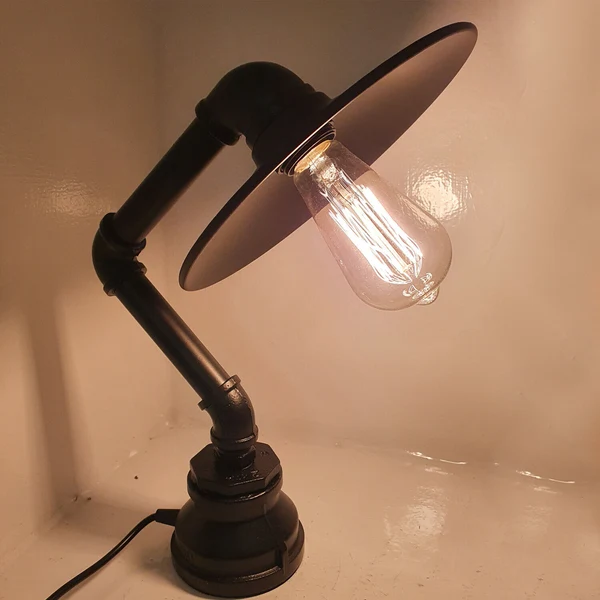
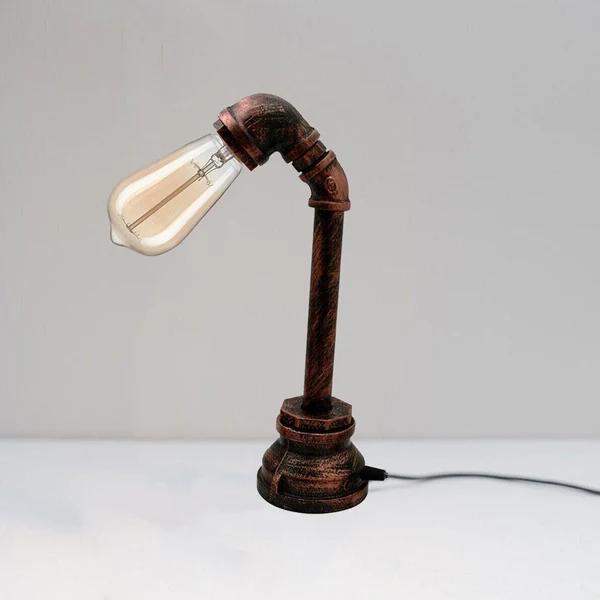
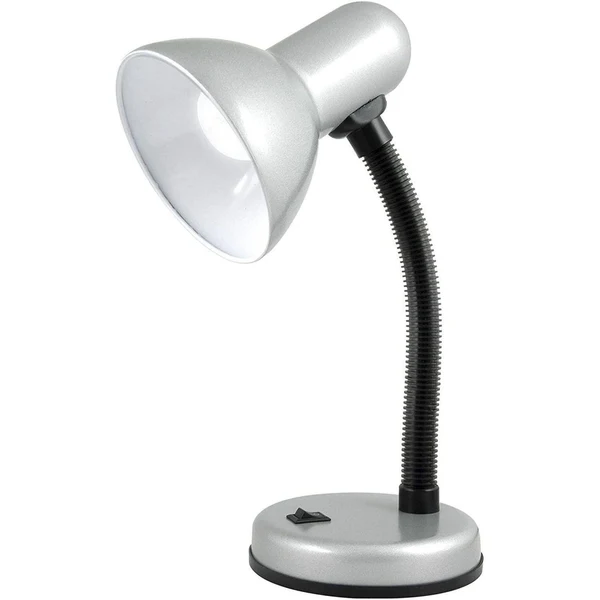
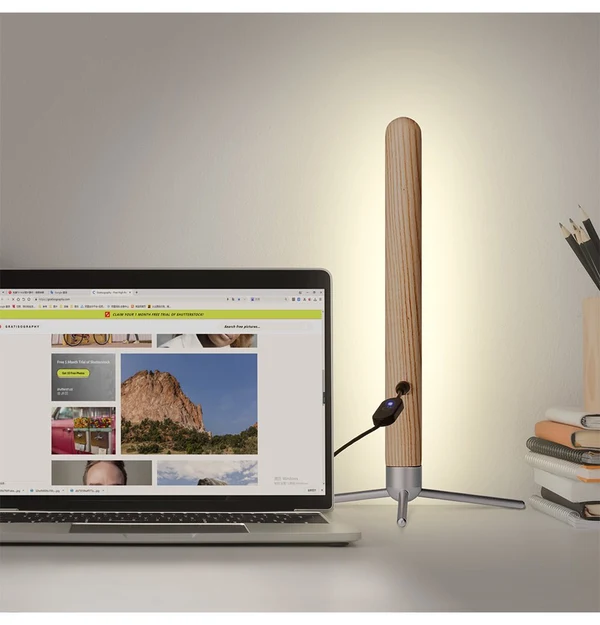
How to choose
- Fixture scale and clearance: Measure shade diameter, drop height, and bedside table space so lamps and pendants stay in proportion to the room.
- Bulb fitting compatibility: Match common lamp holders and wattage limits stated by the retailer so replacement LED bulbs fit cleanly.
- Think about how often it will be used: daily use calls for sturdier construction than occasional use.
- If you are replacing something, list what worked and what did not, and use that as your brief.
Frequently asked questions
How do I choose between cordless battery lamps and plug-in table lamps?
Cordless table lamps sit cleanly on dining tables and shelves far from wall sockets, while plug-in lamps provide steady brightness for daily reading.
Which lamp materials suit damp patios or porches?
Weather-rated powder-coated metal, stone, and sealed polycarbonate housings hold up best outdoors when paired with outdoor ingress ratings.
Where do I start if I am new to desk lamps?
If you are new to desk lamps, start with a versatile, all-round type in a material that is easy to care for, then add more specialised types once you know what you use.
What should I check when replacing desk lamps?
When replacing desk lamps, note what worked and what did not with what you had before, then use that as a checklist for size, material and finish.
What signs of good making should I look for in desk lamps?
Look for clean joins, even finishing and edges or seams that feel smooth; in desk lamps, small details like these say a lot about how carefully something was put together.